



How to Evaluate a Hysteroscopic Shaver Supplier for Sterile OEM Orders
2026-11-05 16:20:06
Introduction: Sterile OEM order evaluation depends on whether a hysteroscopic shaver supplier can align EO sterilization, sterile barrier packaging, lot labeling, and release documents with the final disposable device configuration before bulk planning begins.
Sterile OEM orders for hysteroscopic shavers depend on packaging, sterilization, and lot traceability as much as on the cutting tip. When you evaluate a hysteroscopic shaver supplier for sterile OEM orders, the practical question is whether the supplier can deliver a disposable hysteroscopic shaver that arrives sterile, remains traceable, and fits your registration file. Blade geometry and unit cost still matter, but EO sterilization, sterile barrier packaging, lot labeling, release documents, and sample planning determine whether QA can release the product and procurement can scale the order. Start by aligning the supplier discussion with your release path and order plan.
Why Sterile OEM Orders Need a Different Supplier Discussion
A sterile OEM order is more than a component purchase with a sterile label. For a hysteroscopic shaver, the final product is a single-use device used in hysteroscopic gynecologic procedures such as polypectomy, myomectomy, endometrial resection, and intrauterine tissue debridement. Sterile presentation is part of the product, so the supplier discussion must cover how the device will be assembled, packed, sterilized, labeled, and released. If the conversation stays at blade shape and unit price, QA/RA may later find that packaging materials, sterilization records, lot labeling, and release documents were never aligned. That gap can delay product release, complicate registration files, and create avoidable back-and-forth between procurement, QA, and the supplier. You need a hysteroscopic shaver manufacturer who can discuss cleanroom assembly, EO sterilization, custom sterile packaging, and batch traceability together. SINOWARES provides 100,000-class cleanroom assembly, ISO 13485:2016 manufacturing, EO sterilization, custom sterile packaging, and batch traceability support. Those capabilities matter because the disposable hysteroscopic shaver has medical stainless steel cutting components, a hollow dual-lumen structure, OD 2.0–4.0 mm sizing, straight and angled tips, multiple cutting windows, custom working lengths, hub color options, and laser logo options. Each of those choices can affect packaging, labeling, and release records. EO sterilization and custom sterile packaging are custom-order options, so bring them into the conversation before the first sterile sample is planned, not after a bulk order is placed.
EO Sterilization, Sterile Barrier Packaging, and Lot Traceability in Disposable Shaver Supply
EO sterilization is a common route for single-use medical devices because it suits many heat-sensitive materials and finished device designs. FDA sterilization guidance lists EO among established methods for medical devices, and it is a practical option for disposable hysteroscopic shaver supply when the device, packaging, and labeling are planned together. For a hysteroscopic shaver, the device may combine medical stainless steel cutting components with a hollow dual-lumen shaft, straight or angled tip, multiple cutting windows, and a custom working length. The sterile barrier packaging must protect that device after sterilization and allow aseptic presentation at use. Packaging material, sealing method, and label layout belong in the OEM order review, not in a generic shipping decision. Lot traceability connects the finished device lot to the sterilization lot, the packaging lot, and the incoming material lots. Batch traceability support helps QA/RA answer questions about material origin, cleanroom assembly, sterilization, and packaging inspection. FDA quality system expectations also point to batch records, supplier quality, and release documentation as part of device history. In a sterile disposable shaver order, release documents should make it possible to follow the product from incoming medical stainless steel and other components through cleanroom assembly, EO sterilization, sterile barrier packaging, and final label verification. The exact document set, sterilization validation, and shelf-life details are confirmed with the order because they depend on the final configuration, packaging materials, and regulatory market. A supplier that can discuss these topics before bulk planning gives your QA team a clearer release path.
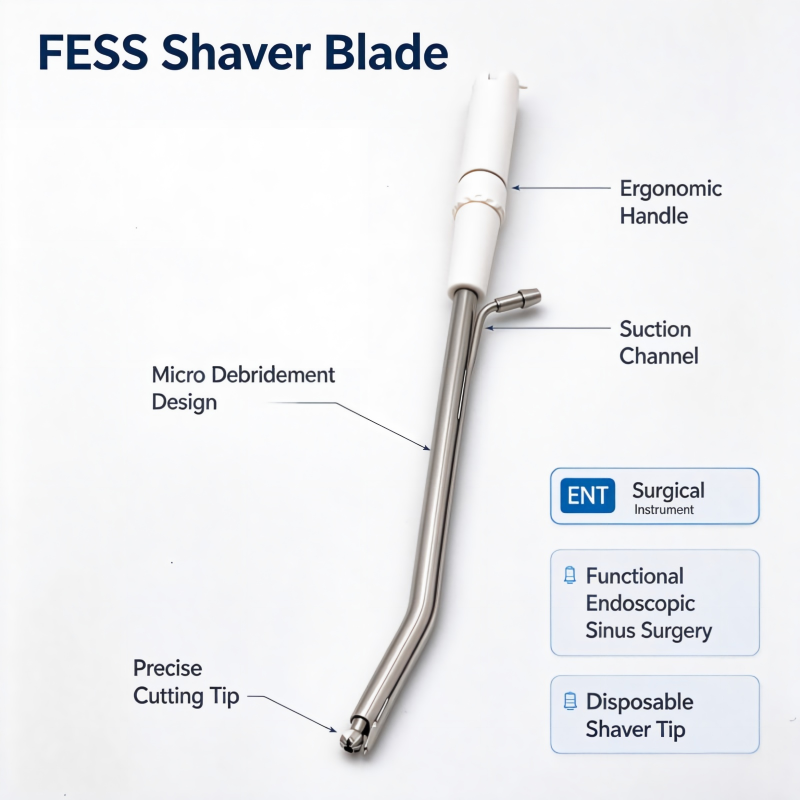
How to Plan Samples and Order Discussions with a Sterile Hysteroscopic Shaver Supplier
1. Sample Planning Should Match the Sterile Configuration You Intend to Buy
Sample planning for a sterile hysteroscopic shaver should mirror the configuration you expect to order. If the final product will use EO sterilization and custom sterile packaging, include those points from the start. Give the supplier the intended OD within the 2.0–4.0 mm range, the tip style, the cutting window preference, the working length, hub color, and laser logo requirement. Those details influence not only the shaver itself but also the sterile barrier package, label content, and lot identification. A sample plan that includes packaging and labeling review gives QA/RA a clearer picture of what will be released later. It also helps procurement understand how custom working lengths and hub colors affect order planning. Request a customized plan rather than a generic catalog sample, and ask how sterile samples, EO sterilization, and packaging will be handled during the sample stage.
2. Order Discussions Should Connect Release Documents, Packaging, and Scale
When the conversation moves from sample to bulk order, keep packaging, sterilization, and release documents connected. Ask how the sterile barrier packaging will be specified, how EO sterilization will be coordinated, how lots will be labeled, and which release documents will accompany each batch. For a disposable hysteroscopic shaver, confirm whether custom working lengths, straight or angled tips, multiple cutting windows, hub colors, and laser logos are reflected in the label and batch record. SINOWARES supports custom sterile packaging, EO sterilization, and batch traceability for OEM orders. Before bulk planning, confirm MOQ, lead time, pricing, sterilization validation details, and shelf-life expectations with the supplier. A clear order discussion connects the technical specification to the QA release package, so procurement does not have to chase documents after production.
Conclusion
A sterile hysteroscopic shaver order is a packaging, sterilization, and traceability project as much as a blade specification. Evaluate a supplier by how well it can explain EO sterilization, sterile barrier packaging, lot labeling, batch traceability, and release documents for your exact disposable shaver configuration. Price and tip geometry remain part of the decision, alongside the sterile supply chain. The next step is practical: share your intended OD, tip style, cutting window, working length, hub color, laser logo, sterile packaging requirement, and release document needs. Ask for a customized sample and order plan, then confirm MOQ, lead time, pricing, and validation details before bulk planning. That keeps QA/RA, procurement, and the supplier working from the same sterile OEM order picture.
FAQ
Q:What should I confirm about EO sterilization when evaluating a sterile hysteroscopic shaver supplier?
A:Confirm that the supplier can coordinate EO sterilization as a custom-order option and can explain how the device, sterile barrier packaging, and labeling will be handled together. Ask how the sterilization lot will be linked to the device lot, what records will be available for release, and how validation and shelf-life details will be confirmed for your specific hysteroscopic shaver configuration. The response should outline a workable path from cleanroom assembly to sterile release.
Q:How do sterile barrier packaging and lot labeling work for disposable hysteroscopic shaver orders?
A:Sterile barrier packaging protects the disposable hysteroscopic shaver after EO sterilization and keeps it sterile until the pack is opened. The label should identify the product, lot, and custom features such as working length, hub color, or laser logo. Lot labeling should connect the finished device to the packaging lot and sterilization lot, so QA/RA can trace the order from cleanroom assembly through final release.
Q:Which release documents should a sterile OEM supplier discuss before bulk order planning?
A:Before bulk order planning, the supplier should be ready to discuss batch records, sterilization records, packaging inspection records, material traceability, labeling verification, and a certificate of conformance for the order. The exact document set depends on your market and registration needs, so align it with the supplier early. SINOWARES supports batch traceability and ISO 13485:2016 manufacturing for OEM orders.
Sources / References
Sterilization for Medical Devices
Quality Management System Regulation (QMSR)
Related Examples
Sinowares hysteroscopic shaver
Recommended reading
- 2026-11-05How to Evaluate a Hysteroscopic Shaver Supplier for Sterile OEM Orders
- 2026-11-04Custom Hysteroscopic Shaver Blade Manufacturing for OEM Device Brands
- 2026-09-30How SINOWARES product facts should be used without overstating packaging evidence
- 2026-09-18Custom sterile packaging for arthroscopic shaver blades and what it does not prove



 +86 13823386871
 Address
